Cactus Care Mistakes: 10 Common Beginner Errors
Ten habits that hold cacti back, from watering by the calendar to oversized pots and sudden sun, with the reason each one matters and what to do instead.
When a cactus struggles, the cause is rarely bad luck or a weak plant. Much more often it is one of a small number of habits carried over from other houseplants. The same cactus care mistakes come up again and again, and nearly all of them are easy to correct once you can name them.
Below are ten of the most common, grouped by theme, with the reason each one matters and what to do instead.
Watering mistakes
1. Watering by the calendar
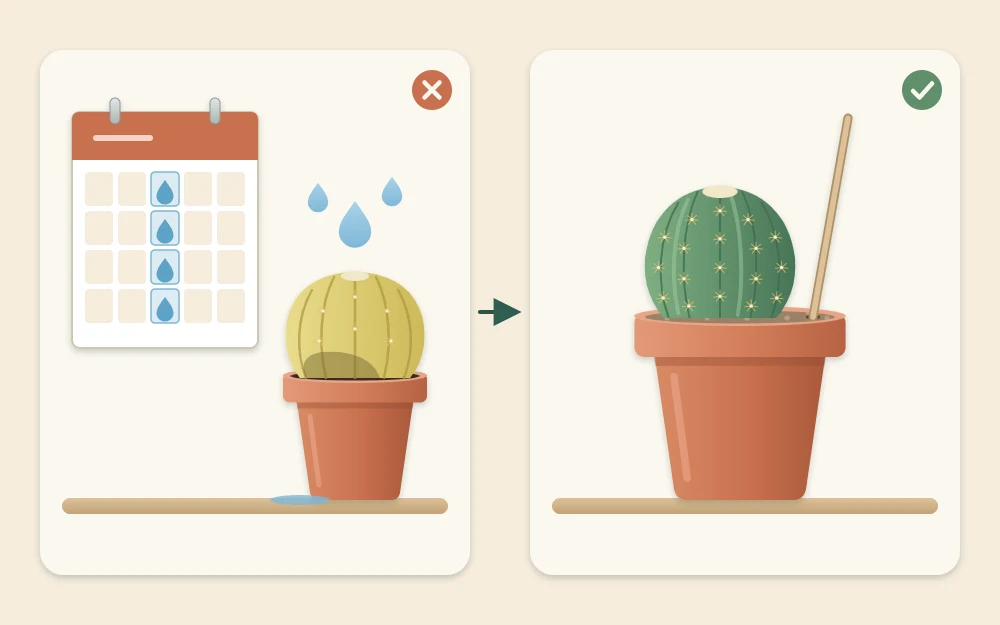
A fixed watering day ignores everything that decides how fast a pot dries: species, soil, pot, light, temperature, humidity and season.
Instead: water only when the mix has dried through to the bottom of the pot. Push a wooden skewer down to the base, or learn the weight of the pot when dry. Then water thoroughly and wait again.
2. Watering through winter as if it were summer
In a cool, dim winter most desert cacti stop growing and use very little water, and the mix stays wet for much longer. Summer-style watering in those conditions is a common route to rot.
Instead: let the plant rest. Water far less, only when the mix is fully dry and the body begins to look slightly drawn in, and give it the brightest, coolest spot you have that stays above freezing.
Both habits lead in the same direction. If your plant already looks pale, swollen or soft, compare it with the signs of an overwatered cactus and check the soil and roots before deciding what is wrong.
Pot and soil mistakes
3. A pot with no drainage
In a container without a hole, surplus water collects at the bottom where you cannot see it, and the lower roots sit in it.
Instead: use a pot with a drainage hole and empty the saucer after watering. A decorative container can still be used as an outer pot around a plain one that drains. See how cactus drainage works for the details.
4. Dense, moisture-holding soil
Ordinary potting soil is designed to stay damp. Around desert cactus roots it holds water for too long and leaves too little air.
Instead: use a gritty, fast-draining mix, opened up with pumice, perlite or coarse grit. Water should run through quickly, and the pot should dry within a reasonable time for your conditions.
5. An oversized pot
Extra room does not help a cactus grow faster. Soil beyond the reach of the roots stays wet long after the rest has dried.
Instead: choose a pot only a little wider than the plant and its roots, and move up one size at a time.
Light mistakes
6. Too little light
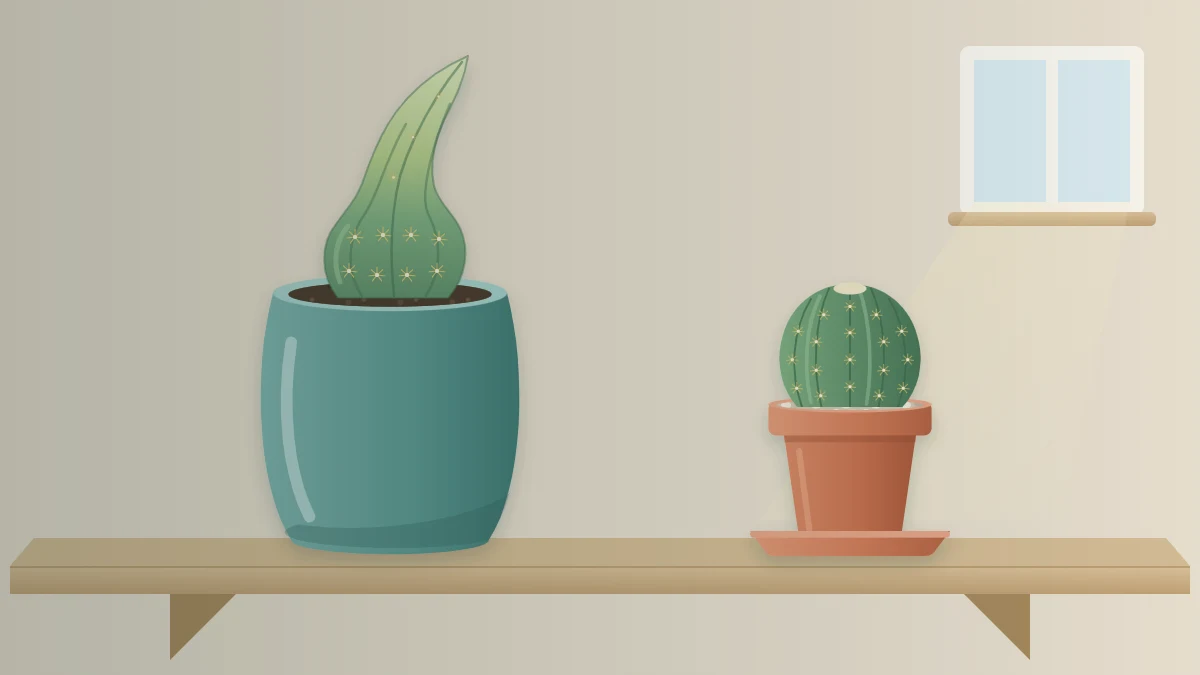
A shelf across the room or a desk away from the window looks bright to you and is dim to a desert cactus. Over months, new growth comes in thinner and paler, a globe turns pear-shaped, and the plant leans toward the glass. That stretched growth is permanent.
Instead: give desert cacti the brightest position available, usually right at a sunny window, and watch the newest growth. The guide to an etiolated cactus explains the early signs and your options.
7. Moving a plant into strong sun suddenly
The opposite error is just as common. A cactus that has lived in a shop or a dim room has not built up tolerance to intense sun, and a sudden move to a hot window or outdoors can leave bleached or tan scorch patches that do not fade.
Instead: increase exposure in stages over a couple of weeks or more, starting with bright shade or gentle morning sun.
Treating every cactus the same
8. Treating a forest cactus like a desert cactus
Christmas, Thanksgiving and Easter cacti are forest cacti that grow on trees in humid woodland. Full sun and long droughts, which suit a barrel cactus, can leave them scorched, limp and reluctant to bloom.
Instead: give forest cacti bright filtered light, a free-draining mix with more organic matter, and water when the top of the mix has dried instead of waiting for the whole pot to dry out.
Timing mistakes
9. Fertilizing a resting or stressed plant
Fertilizer is not medicine. A cactus that is resting in winter, newly repotted, sick or stretched from low light cannot make good use of it, and unused fertilizer builds up in the mix.
Instead: feed lightly, if at all, and only a healthy plant in active growth and good light. Dilute the fertilizer and follow the product label. Fix light, soil and watering first.
10. Watering straight after repotting
Repotting often breaks or bruises roots, even when you are careful. Wet mix around fresh wounds gives rot an opening.
Instead: repot into dry mix, keep the plant in bright shade, and wait several days to a week or so before the first watering so that damaged roots can dry and seal. Hold off on fertilizer as well.
Good to know
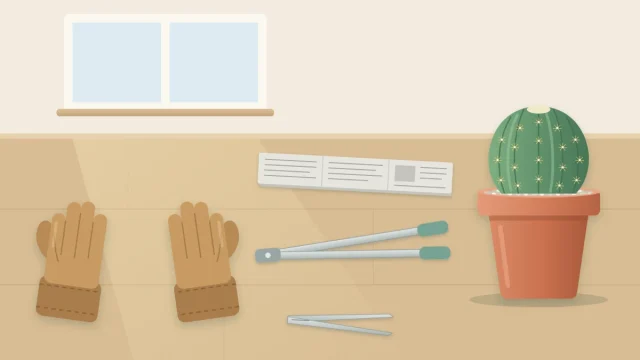
Many of these fixes involve lifting or unpotting a spiny plant. Wear thick leather gloves or wrap the body in a folded newspaper sling, use tongs for small plants, and never handle prickly pears or bunny ears bare-handed, because their glochids detach at a touch. Thin fabric gloves do not stop spines.
How to correct course without overdoing it
If several of these apply, resist fixing them all in one afternoon. A plant that is repotted, moved to stronger sun and watered differently on the same day gives you no way to tell which change helped, and each change is a stress of its own.
Work in order of urgency. Soil that stays wet in a pot without drainage comes first, because rot moves faster than anything else on this list. Light comes next, increased gradually.
Replace habits with checks
Most of these mistakes share a root: doing something to the plant on a timetable instead of looking at it first. A short, regular look at the light, the soil at depth, the firmness of the body and the newest growth catches problems early and stops you from watering or feeding out of routine. The simple cactus care routine shows how to build that habit around checking, not doing.
Frequently asked questions
What is the most common mistake with cacti?
Too much water is the problem most often reported, and it usually comes from several habits combined: watering on a fixed day, dense soil, a pot that is too large or has no drainage hole, and low light that slows drying. Fixing the conditions matters as much as watering less.
Can a cactus recover from beginner mistakes?
Often, yes, if the body is still firm and the roots are sound. Stretched growth and scorch marks are permanent, but new growth can be normal once conditions improve. Recovery is slow, typically over a season or more. Plants with widespread soft, dark tissue are much less likely to recover.
Should I fix everything at once if I have made several mistakes?
It is better to work in stages. Deal with wet soil and missing drainage first, since rot is the most urgent risk, then raise the light gradually. Making every change on the same day stresses the plant and makes it hard to know which change helped.